What We Do

We work collaboratively

to build community, share information, advocate for solutions, and elevate community voices in our effort to address the ongoing public health crisis in the Tijuana River Watershed.

To do this, we work in five key areas of focus. 

Five Areas of Focus

Salud pública

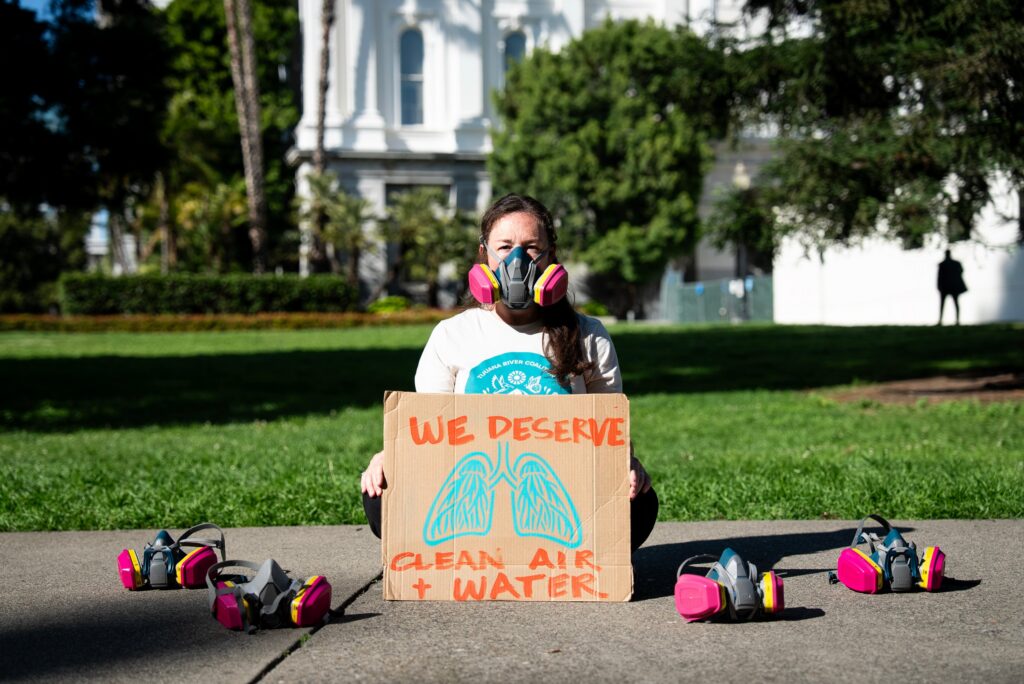
Untreated sewage and industrial waste polluting the water and air in the San Diego/Tijuana region are leading to immediate and long-term illnesses, including impacts to mental health.  Those especially vulnerable include children, older adults, and immunocompromised community members.  Working-class, border-area communities that predominantly identify as Latino/x disproportionately bear the brunt of negative health impacts and tend to have less access to public health resources and decision-making processes. 

Impactos ecológicos

El Estuario de Tijuana —el humedal costero más grande del sur de California, una de las pocas marismas que quedan y hogar de más de 370 especies de aves— es uno de los numerosos ecosistemas únicos y amenazados que se encuentran en la cuenca del río Tijuana. La destrucción del hábitat y la pérdida de diversidad de especies debido a la contaminación transfronteriza están teniendo consecuencias devastadoras para las poblaciones de fauna silvestre local y migratoria, así como para la salud general del ecosistema.  

Acceso costero

Las experiencias transformadoras al aire libre promueven el bienestar de niños, jóvenes e individuos, y fortalecen la comunidad. Debido a las condiciones tóxicas en el Valle del Río Tijuana y sus alrededores, generaciones de niños están perdiendo la oportunidad de interactuar de forma segura con la naturaleza y desarrollar las conexiones que impulsan decisiones y comportamientos que protegen el medio ambiente. Quienes tienen vínculos culturales y espirituales con la tierra y el agua se ven aislados de áreas significativas y prácticas.  

Impactos económicos

Las comunidades a ambos lados de la frontera sustentan sólidas economías locales, regionales y nacionales. El cierre de playas y los impactos en la salud han puesto en grave riesgo a empresas multisectoriales, especialmente en el sector turístico. Cuando niños y adultos enferman, faltan a la escuela y al trabajo. Algunos negocios se han visto obligados a despedir personal y cerrar sus puertas, mientras que muchos residentes han perdido sus medios de vida y, con ellos, su acceso a la atención médica.  

Seguridad nacional

Durante generaciones, militares y socorristas se han entrenado, trabajado y realizado rescates vitales en el Valle del Río Tijuana y las costas del sur de California. Los SEALS de la Marina de los EE. UU., la Guardia Costera, los agentes de la Patrulla Fronteriza, los socorristas y otros se exponen ahora a enfermedades graves al realizar sus tareas laborales, lo que pone en peligro operaciones importantes, la seguridad pública y la seguridad nacional. 

es_ESSpanish

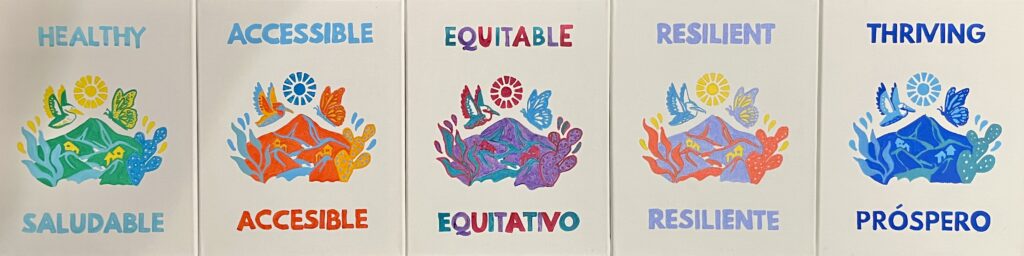
Crédito del artista: Josué Baltézar (he/him) is an artist and designer who believes art should be accessible to everyone. He understands the crucial role that art and design play in advocating for environmental and social justice. This design for the Tijuana River Coalition brings together various elements to symbolize the dedication to advocacy for and protection of the Tijuana River region, which includes both sides of the US/MX border. A mountain sits prominently in the center, with two houses at its base, representing our communities on both sides of the border. The Tijuana River flows through the mountains and down into the foreground, where the river meets the Pacific Ocean. On the left and right of the mountains are native plants, including giant kelp on the left and prickly pear cactus on the right. Above the mountains, a brown pelican and a monarch butterfly fly toward a radiating sun. The design aims to convey a sense of interconnectedness and call attention to the need to protect our natural environment and the communities along the entire Tijuana River region.

Photography on this site by Surfrider Foundation and Veriditas Rising | Special thanks to Edgar Ontiveras Medina